

Hiring Reliable Structural Steel Contractors: A Vetting Guide
Quick Summary
Hire structural steel contractors only after verifying their license, insurance, and bonding, then checking references and welder certifications. Compare bids on identical scope rather than headline price, since low bids often exclude erection, inspection, or crane costs.
Verify the state contractor license online and confirm insurance certificates directly with the insurer.
Ask who performs the welding and verify that those welders hold current certifications.
Build a comparison sheet with identical line items so every bid covers the same scope.
Price every excluded item, such as crane rental or field touch-up, so totals reflect the same work.
Tie progress payments to named, verifiable milestones instead of calendar dates.
Ready to compare steel contractor scopes?
Built By Steele provides licensed, bonded, insured steel fabrication with certified welders.
Table of Contents
What a Structural Steel Contractor Actually Does
A structural steel contractor fabricates and installs the steel frame that holds a building up, and the best structural steel contractors also document every connection they set. That covers beams, columns, connections, and the miscellaneous metals like stairs and railings that finish the job. Knowing where the work of a structural steel contractor begins and ends helps you judge any bid you receive.
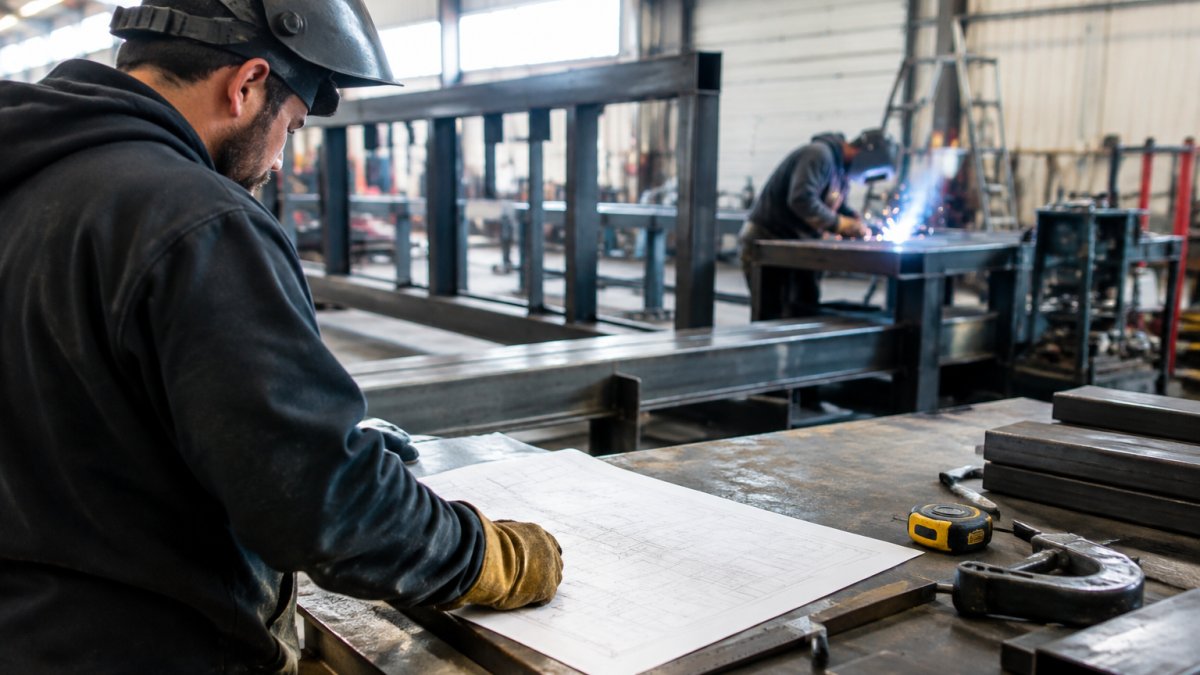
Most projects split the work into two stages. Fabrication happens in a shop, where steel is cut, drilled, welded, and assembled to drawings. Erection happens on site, where crews set those pieces, bolt or weld them into place, and check alignment. Some firms do both. Others only fabricate and leave erection to a separate crew, which means more coordination on your end.
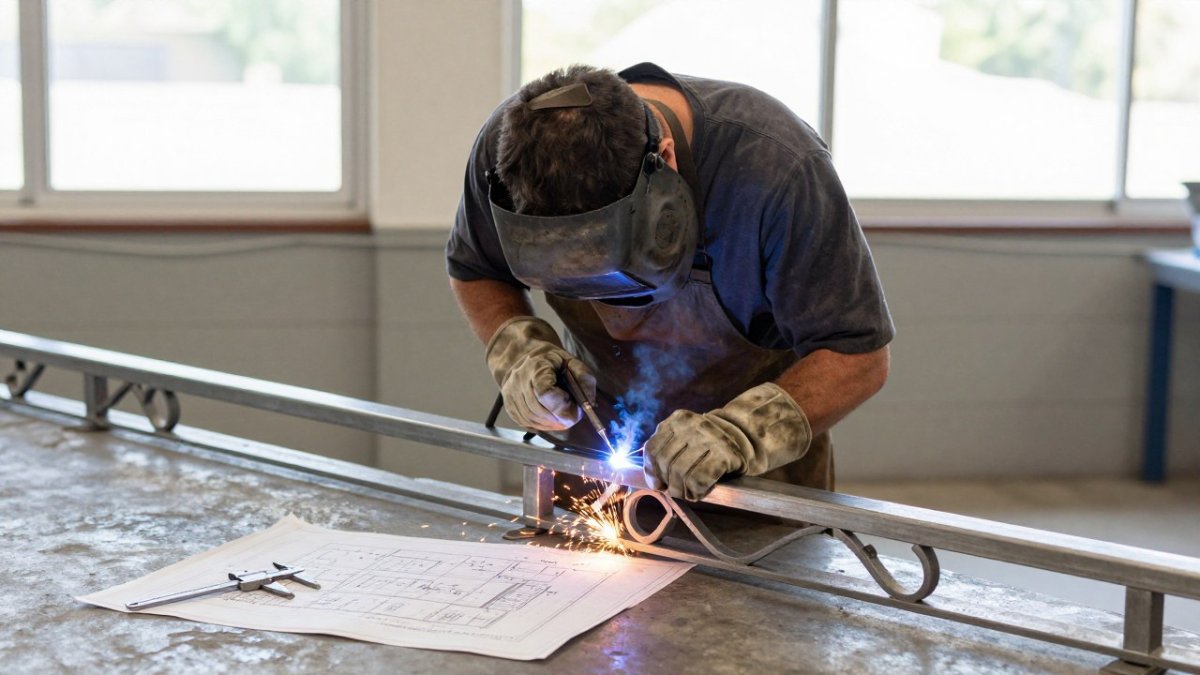
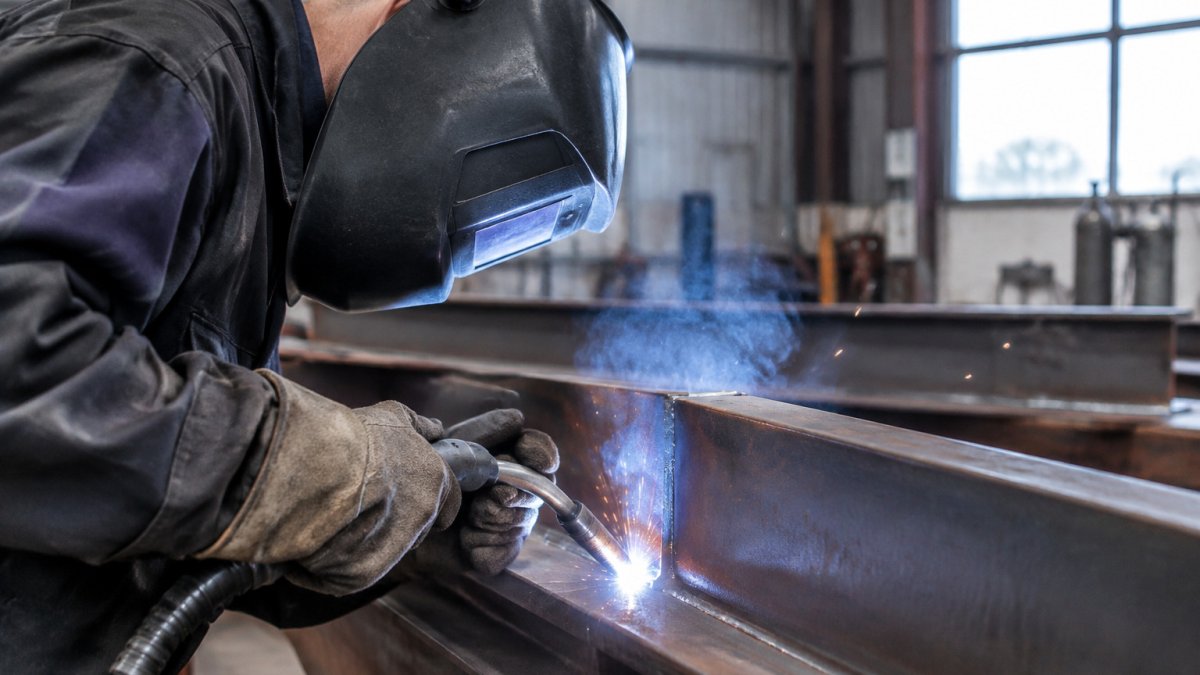
Certified welding is the detail that matters most. Structural welds carry load, so a sloppy weld is a safety problem, not a cosmetic one. Ask who performs the welding and whether those welders hold current certifications.
Watch out: a shop that quotes fabrication alone may leave erection, hoisting, and inspection costs out of the number. Confirm the scope in writing before you compare prices.
Structural Steel Contractor Checklist: Vetting Before You Hire
Good vetting follows a set order. Start with the paperwork, then move to proof of past work, then look at how the firm communicates. Skipping steps is how most bad hires happen.
Use this checklist on every candidate:
Active state contractor license, verified online
General liability and workers' compensation insurance certificates
Surety bond or proof of bonding capacity
Written list of certified welders and their certifications
Three recent projects of similar size and type
Named project manager for your job
Written schedule with milestones
Safety program and OSHA training records
Licensing, Insurance, and Bonding
Licensing proves the contractor is allowed to do the work in your state. Insurance protects you if a worker is hurt on your site or if something falls. Bonding protects you if the contractor fails to finish or pay its suppliers.
Ask for certificates directly from the insurer, not just a copy the contractor hands you. Check that the policy is current and that coverage limits match your project's risk. Insurance certificates can be altered, so verify them with the carrier.
Project References and Site Visits
References tell you whether the contractor finishes what it starts. Ask for projects that match yours in size and complexity, and call the owners or general contractors on them. Ask whether the job finished on schedule, whether change orders were handled fairly, and whether they would hire the firm again.
A site visit to an active or recently finished job shows you workmanship up close. Look at weld quality, how the shop keeps materials organized, and whether crews work safely.
Questions to Ask a Steel Contractor Before Signing
The right questions reveal how a contractor operates before you commit money. Ask them early, and pay attention to how directly they answer.

Who will manage my project day to day?
Do you fabricate in-house or subcontract any work?
Who performs the welding, and how are their certifications verified?
What is your typical lead time from approved drawings to delivery?
How do you handle design changes after fabrication starts?
What is your process for inspecting welds and connections?
Who is responsible if a piece arrives damaged or out of tolerance?
Vague answers to any of these are a warning sign. A capable contractor can explain its process in plain terms.
Comparing Structural Steel Contractor Bids the Right Way
Bids are hard to compare because they describe different scopes, and the lowest number is often the one missing the most work. Comparing totals without comparing scope leads to a contract that costs more once change orders and omitted items arrive.
Start by building a comparison sheet with identical line items for every bid. Fabrication, erection and hoisting, welding certification, inspection, delivery, touch-up painting or coating, and warranty should each appear as a row. Mark each as included, excluded, or not stated.
Item | Bid A | Bid B | Bid C |
Fabrication | Included | Included | Excluded |
Erection and hoisting | Included | Excluded | Included |
Inspection and testing | Included | Not stated | Included |
Delivery | Included | Included | Not stated |
Warranty | 1 year | None | 1 year |
Read the exclusions as carefully as the inclusions. Common exclusions include crane rental, temporary bracing, field touch-up of galvanizing or primer, site cleanup, and permit fees. Ask each contractor to price every excluded item so the totals reflect the same work.
Once the scopes match, compare total project cost rather than the headline bid. Add the cost of any items you must supply yourself, such as anchor bolts set by another trade or access equipment, to each bid. The resulting number is the figure you can actually budget against.
Consider lifecycle value as well. A bid with a longer warranty, documented inspection records, and traceable material certifications may cost more up front and less over the life of the structure, because it reduces the chance of rework and disputes. Weigh these factors with the same weight you give price.
Finally, check the contractor's terms for how it handles change orders and schedule. A low bid paired with broad change-order language can cost more than a higher bid with clear pricing rules. Compare the contract terms alongside the numbers before you decide.
Mapping the Structural Steel Project Timeline
Steel schedules depend on a chain of handoffs, and most delays happen at the seams between them. Fabrication cannot start until drawings are approved, erection cannot start until the shop releases material, and inspection cannot close out a stage until the records are complete.
A workable schedule breaks the project into named milestones, each with a deliverable a buyer can verify. Typical milestones include approved shop drawings, released material orders, first piece fabricated, fabrication complete, inspection sign-off, delivery of the first load, and erection complete. For each milestone, the contract should name the deliverable, the date, and the person who certifies it is done.
Payment terms should follow those milestones rather than calendar dates. Tying progress payments to verified deliverables keeps money aligned with real progress. Ask how the contract handles retention, meaning the portion of each payment held back until final acceptance, and confirm the percentage and release conditions in writing.
Delay responsibility needs equal attention. Clarify which delays are the contractor's fault, which are the owner's (late design approvals, site access problems, late payments), and which are neither (mill lead-time swings).
Change orders are the most common source of schedule drift. A late design change after fabrication starts can force rework, reorder material, and reshuffle the erection crew. Before work begins, agree on how each change is priced, how much time it adds, and whether the schedule is re-baselined.
Watch out: a schedule without a written change-order process will almost always move, even when the contractor is capable. Settle the process before the first drawing is released.
Booking Your Steel Fabrication Consultation
Once you have shortlisted contractors, a consultation lets you compare scope, schedule, and fit on your actual project. Bring your drawings, your bid sheet, and your list of questions. Built By Steele offers consultations for residential and commercial projects, and you can request a quote to start the conversation. You can also review our work to see the kind of structural and miscellaneous metal projects we deliver.
For location and service area details, see our location page before you reach out. A focused consultation gets you a clear scope, a realistic schedule, and a number you can actually compare.
Hiring a structural steel contractor is a decision you live with for the life of the building. Built By Steele is a licensed, bonded, and insured partner with certified welders, and we carry your project from design through installation. Get a quote with Built By Steele and start your steel project on a clear scope and schedule.
Frequently Asked Questions
How do I choose a reliable structural steel contractor?
Start by confirming the contractor holds a current license, carries liability insurance, and is bonded. Ask for recent project references with comparable scope and visit at least one finished job if possible. Compare written bids line by line, check that welding is performed by certified welders, and confirm who handles fabrication, erection, and installation. A contractor who answers these questions in writing without hesitation is usually a safer choice than one who relies on verbal assurances.
What should I ask a structural steel contractor before hiring?
Ask how long the project will take from shop drawings to final installation, and what happens if a delivery date slips. Request details on who will be on site, how quality is verified, and how change orders are priced and approved. Ask for proof of licensing, insurance, and bonding, and whether they are willing to provide project documentation such as weld records and inspection reports. Clear answers to these questions reduce the risk of disputes later.
What is the difference between a structural steel fabricator and an erector?
A fabricator cuts, shapes, and welds steel components in a shop according to engineered drawings. An erector transports those components to the site and assembles and bolts or welds them into the structure. Some firms do both, which can simplify accountability because one company is responsible for the full scope. When fabrication and erection are split between companies, confirm in the contract who handles tolerance issues and field fit-up problems.
How long does structural steel fabrication and installation take?
Timelines vary widely with project size, complexity, shop loading, and delivery logistics. Fabrication typically begins only after shop drawings are approved, so review and approval time should be built into the schedule. Ask the contractor for a phased timeline that separates drawing approval, fabrication, delivery, and erection, and request notice of any delays. Pricing and schedules depend on quantity, dates, and delivery, so request a written quote from Built By Steele for current project timing.
Comments